This project was inspired by photographer Lee Friedlander’s 1976 book The American Monument. Working from the premise that nothing is more invisible than a monument, Friedlander set out to rescue from invisibility shrines to soldiers, presidents, common folks, heroes, noble causes, and grand achievements. He presents the majority of the 213 monuments pictured in the volume straightforwardly, but his most engaging images are those in which he puts the subject in humorous or ironic juxtaposition to its surroundings, often shooting from an unexpected angle or placing the monument at the edge of the frame or making us hunt for it by hiding it amidst ambient clutter. With such compositional strategies Friedlander makes the monuments visible by calling attention to their invisibility. In so doing, he raises questions about such topics as historical memory, the purpose of monuments, the contrast between the ideal and the mundane, the story of a monument’s creation, and changing conceptions of the noble and the heroic.
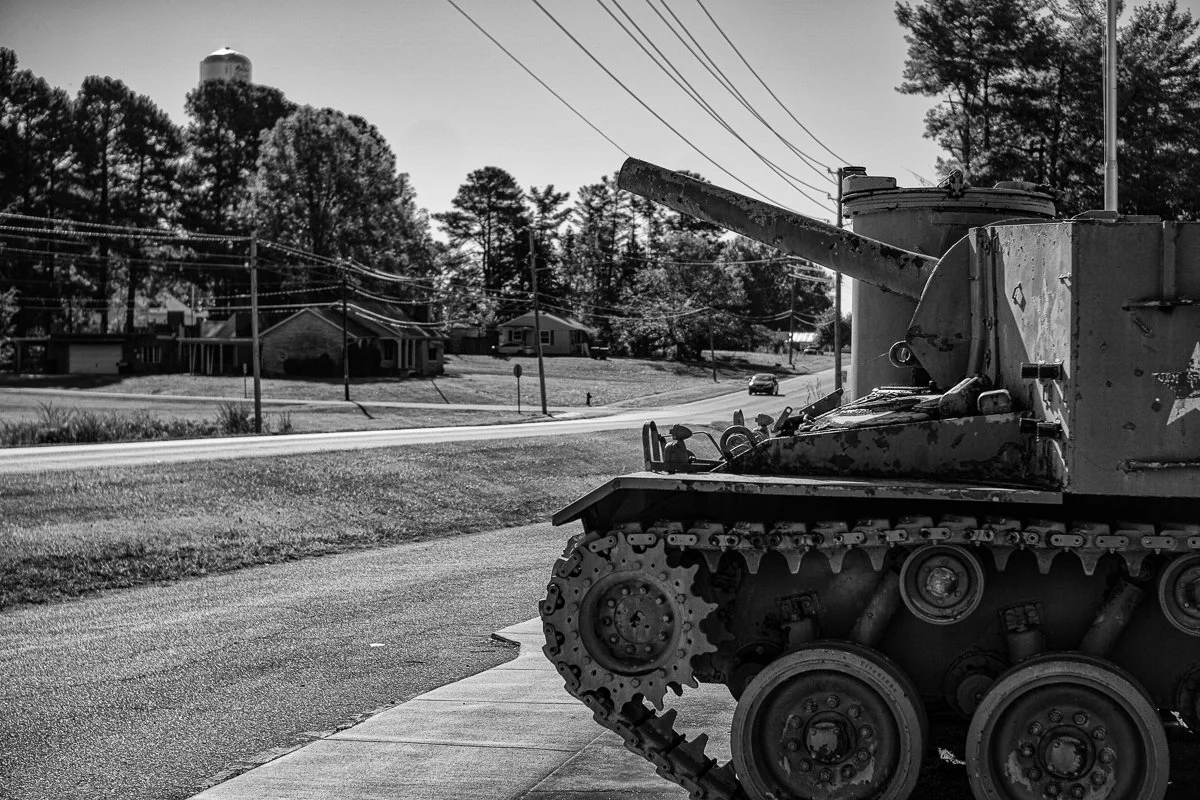
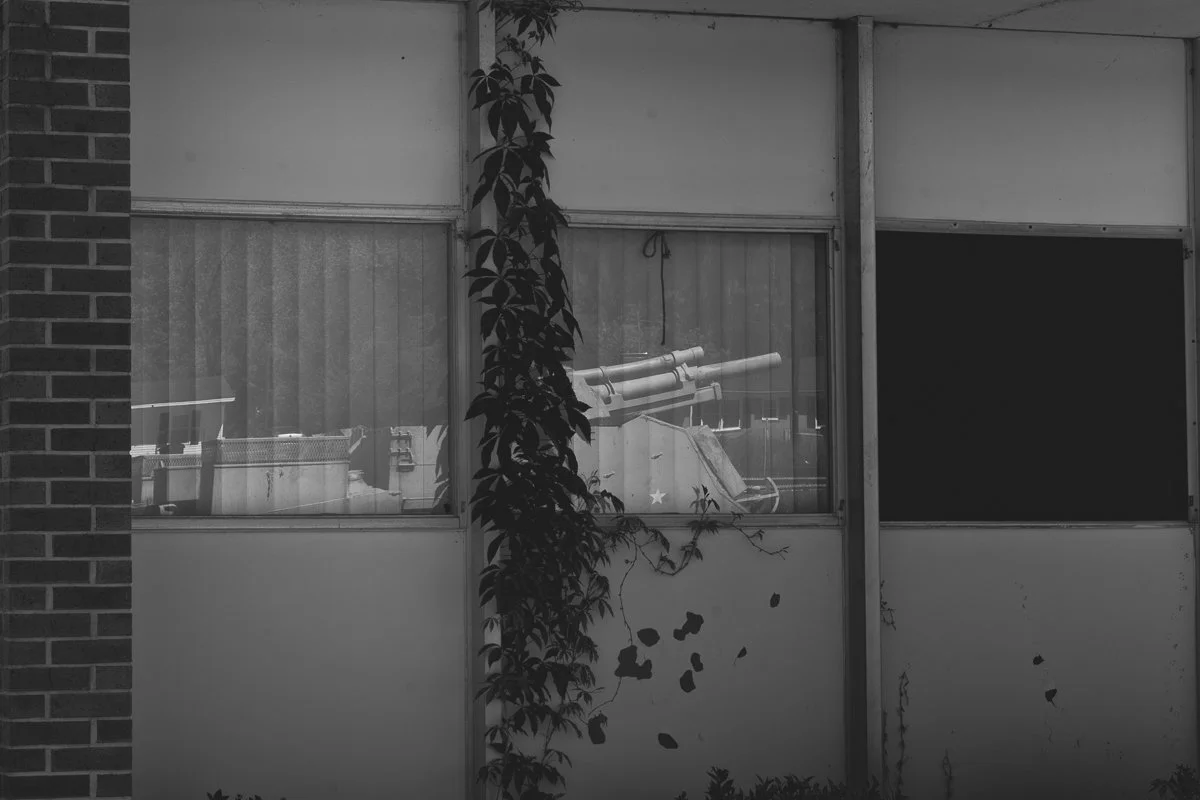
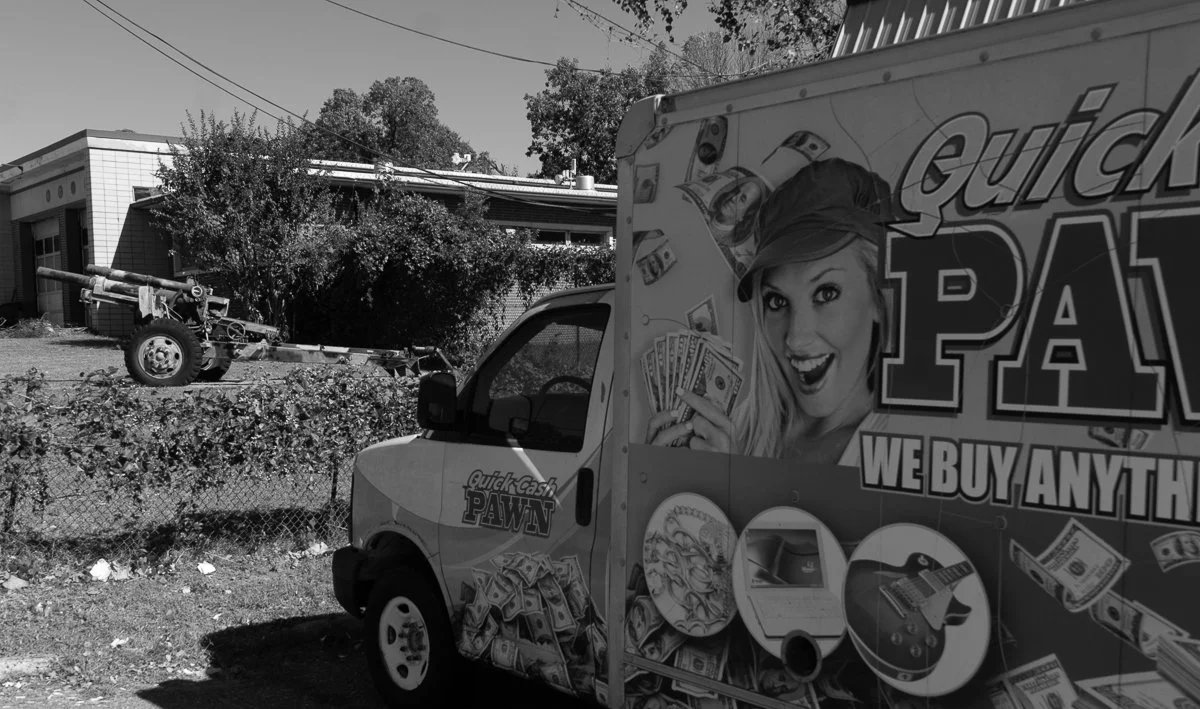
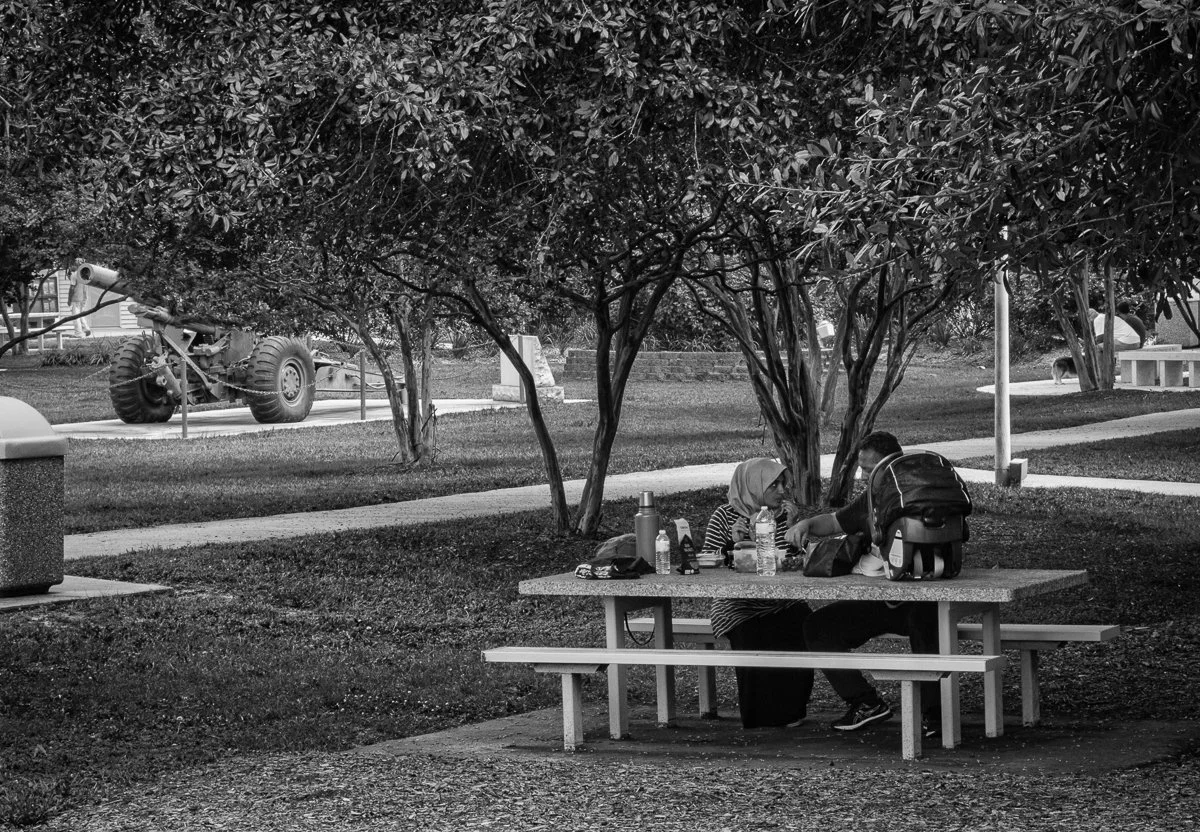
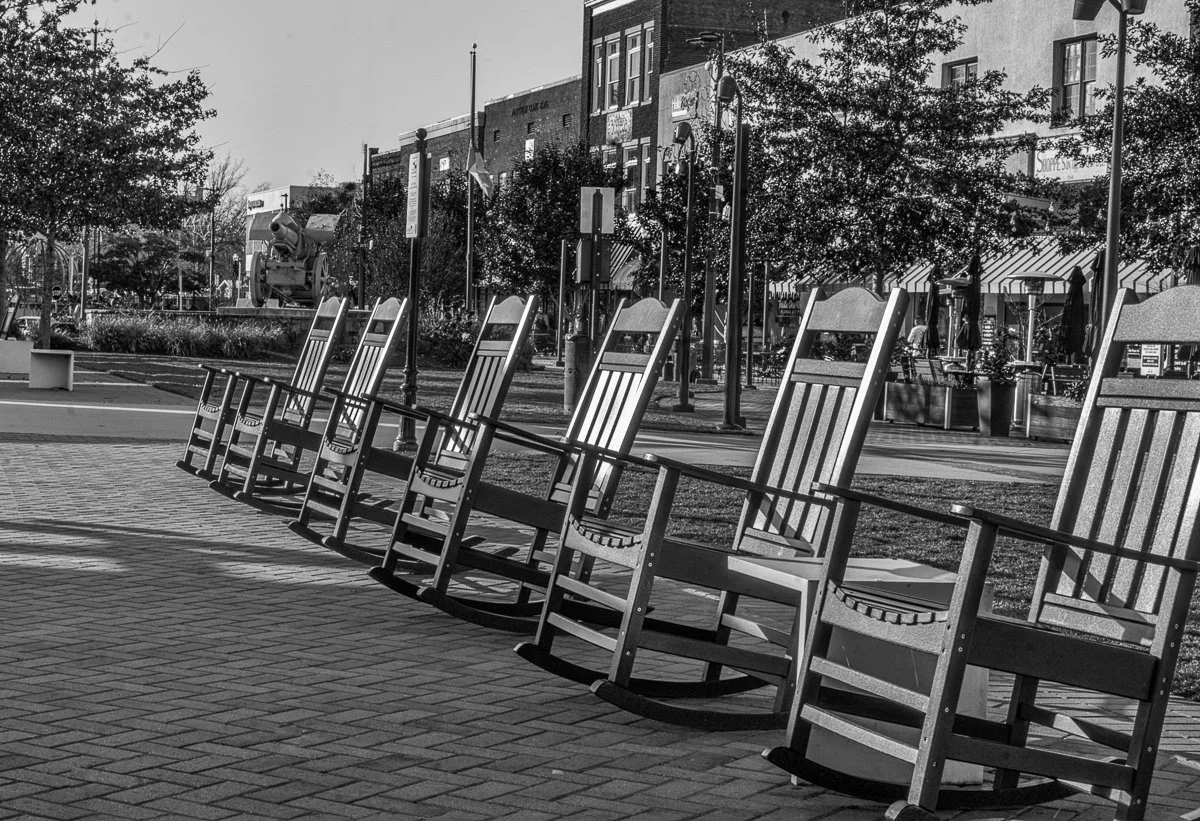
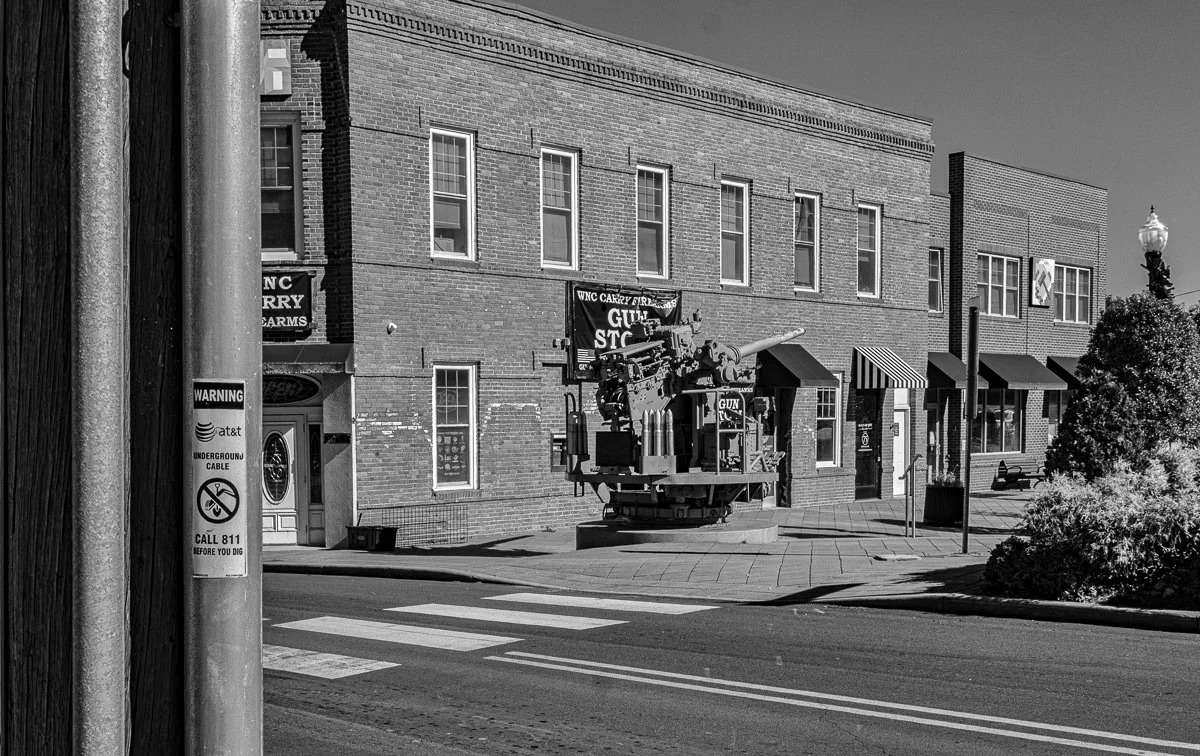
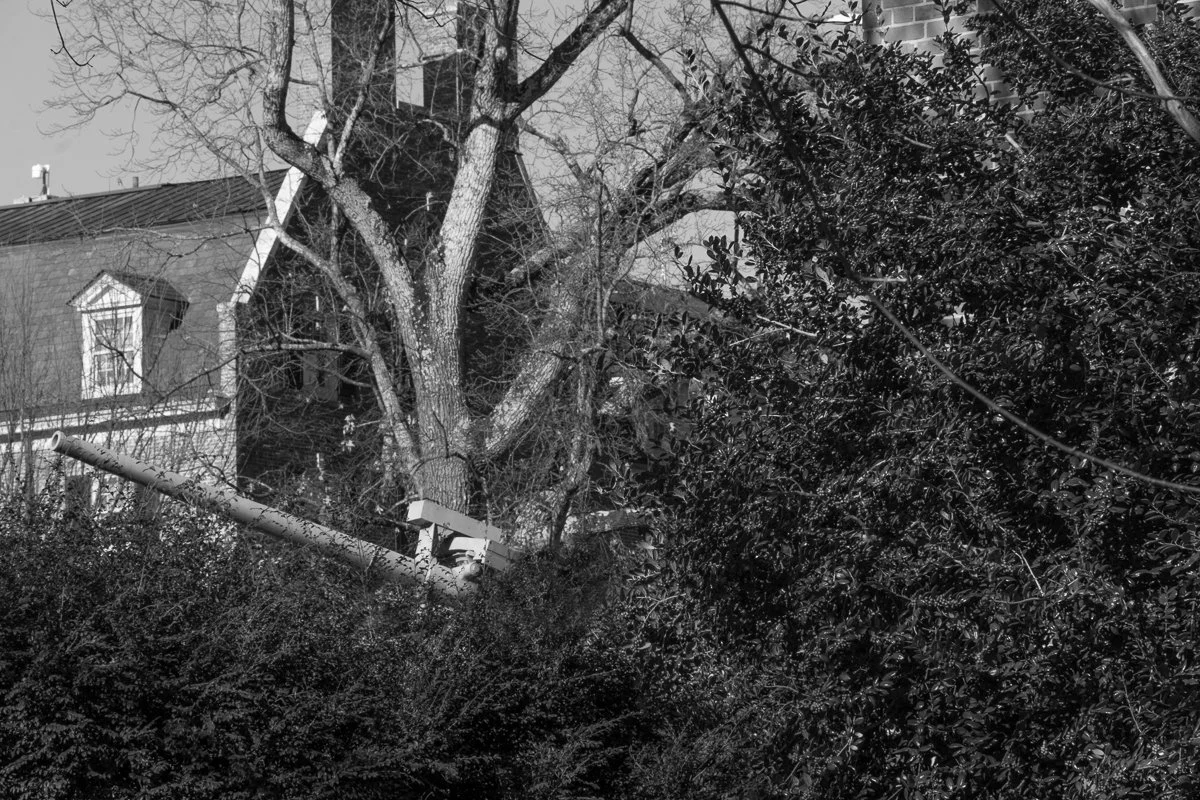
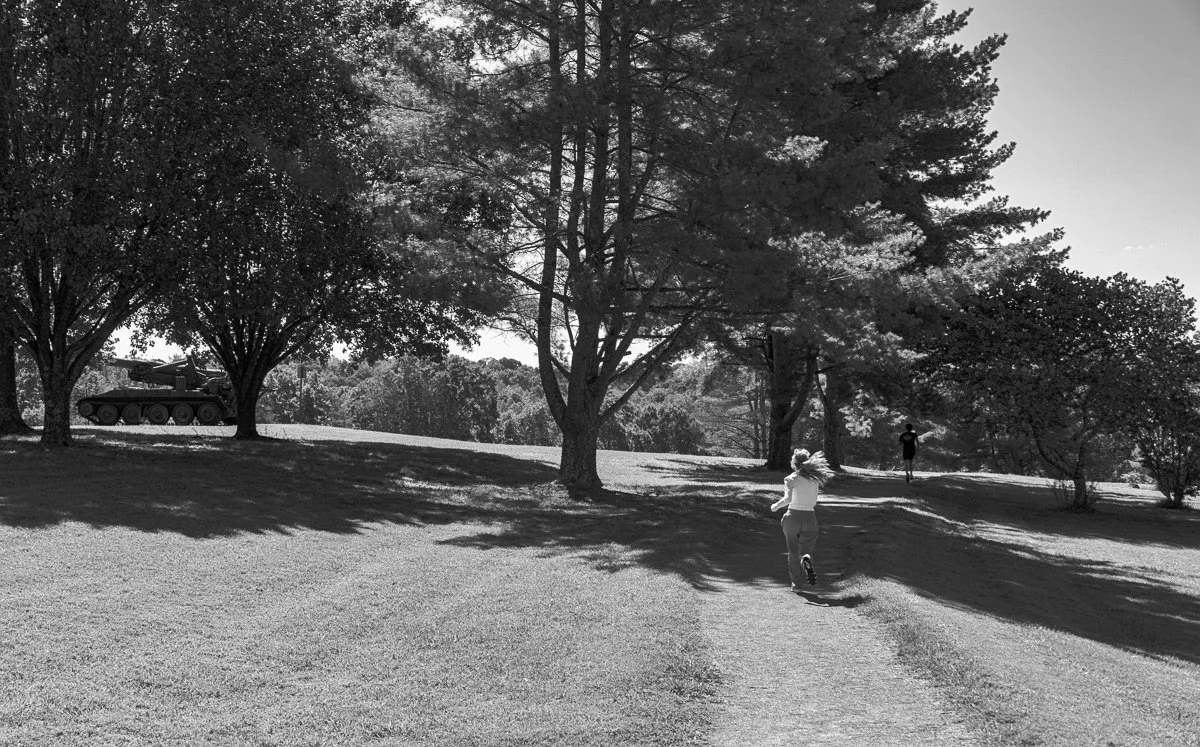
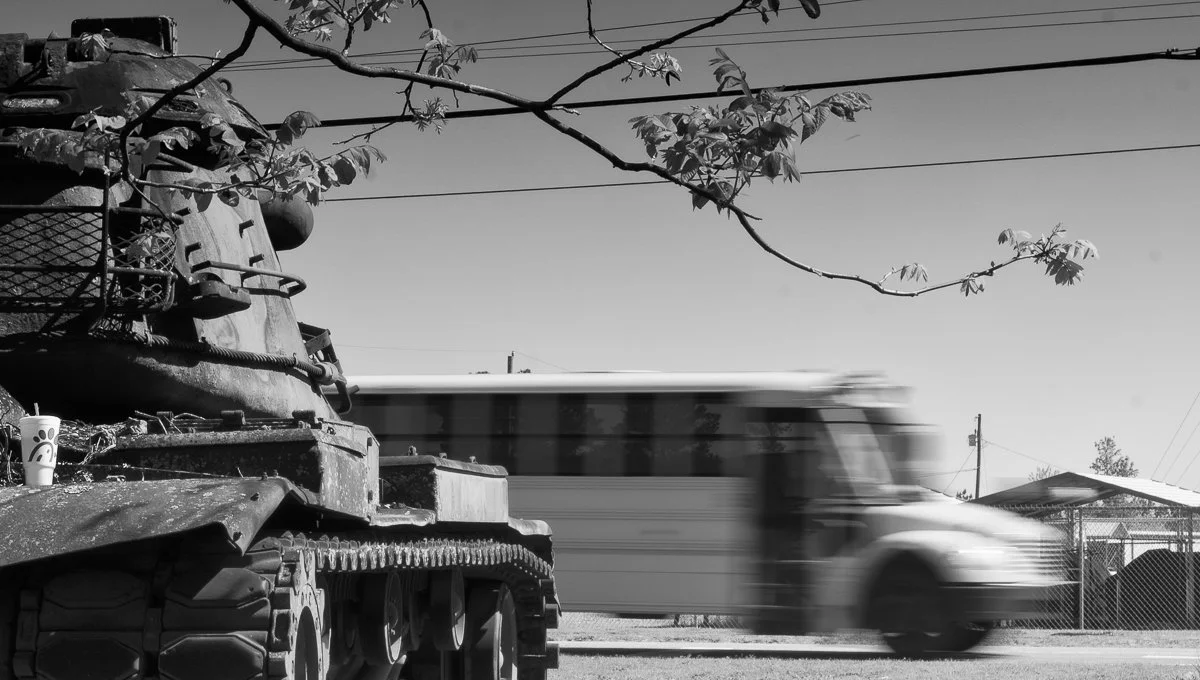
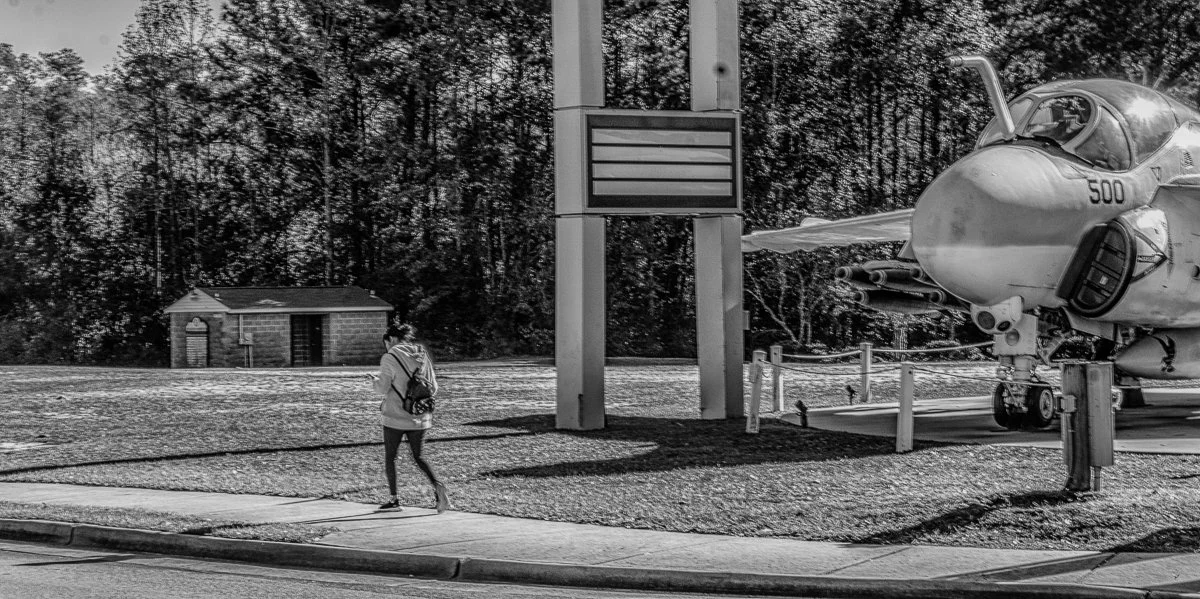
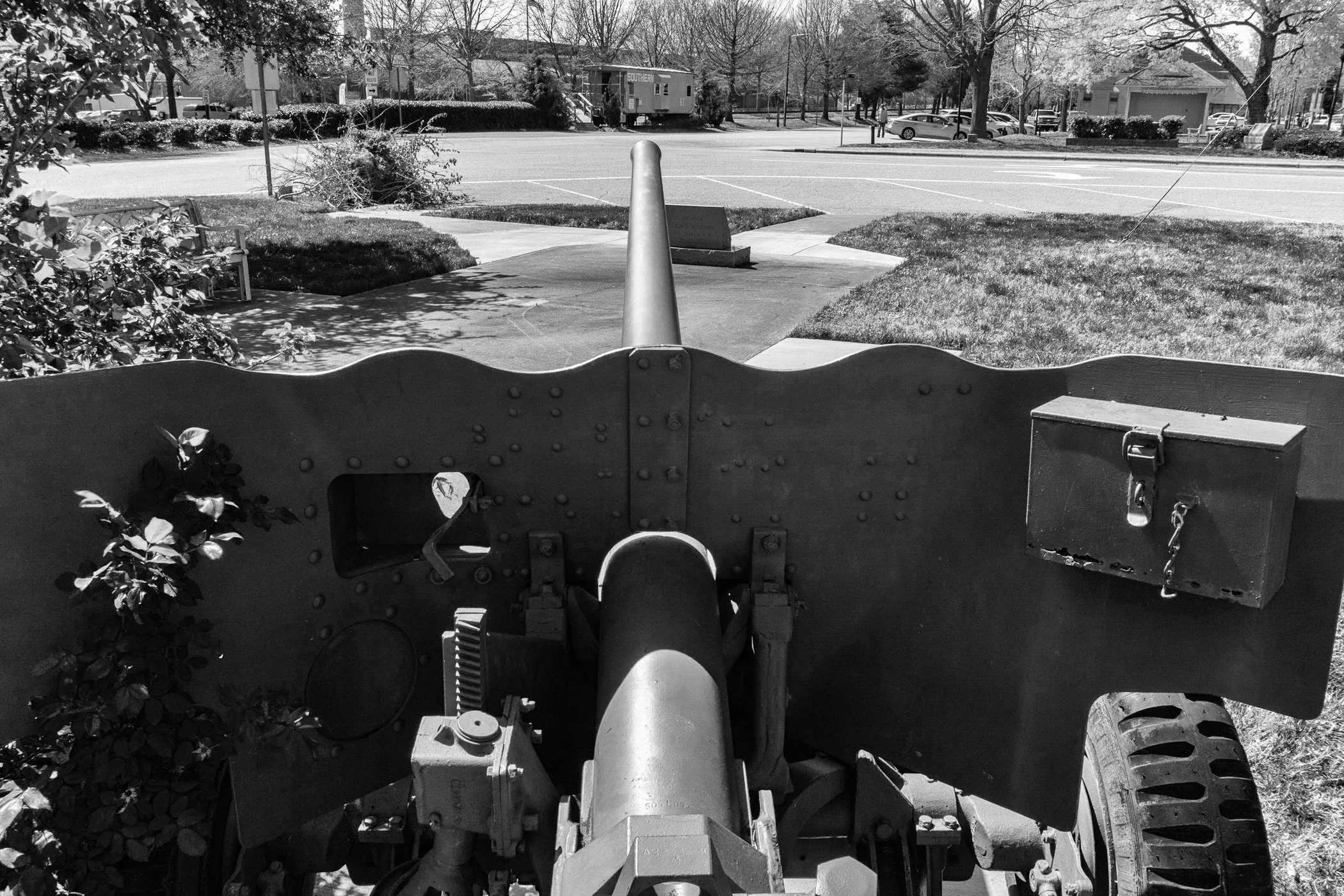
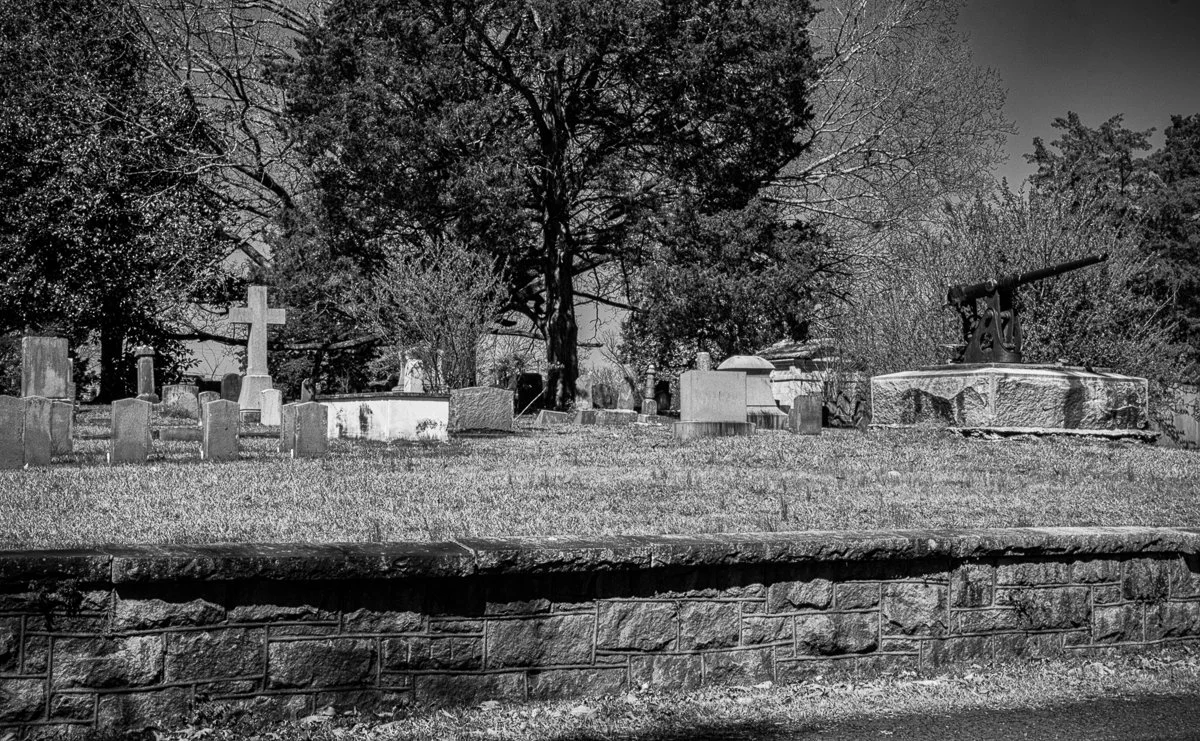
I set for myself a similar task, but instead of focusing on the bronze and marble of statues and obelisks, I aimed my camera at the cold steel of defanged military hardware. In our daily comings and goings we rarely notice the armored vehicles, artillery pieces, and war planes that decorate the grounds not only of places where we would expect to find them—National Guard armories and American Legion posts, for example—but also places where their presence is unexpected—parks, campuses, civic spaces, and the like. Wherever they show up, if we notice them, we might be struck by their incongruity: a giant howitzer in a grove of trees next to a jogging path, its smaller cousin lurking in a picnic area. Such outdoor display invites us to consider the weapons as public art.
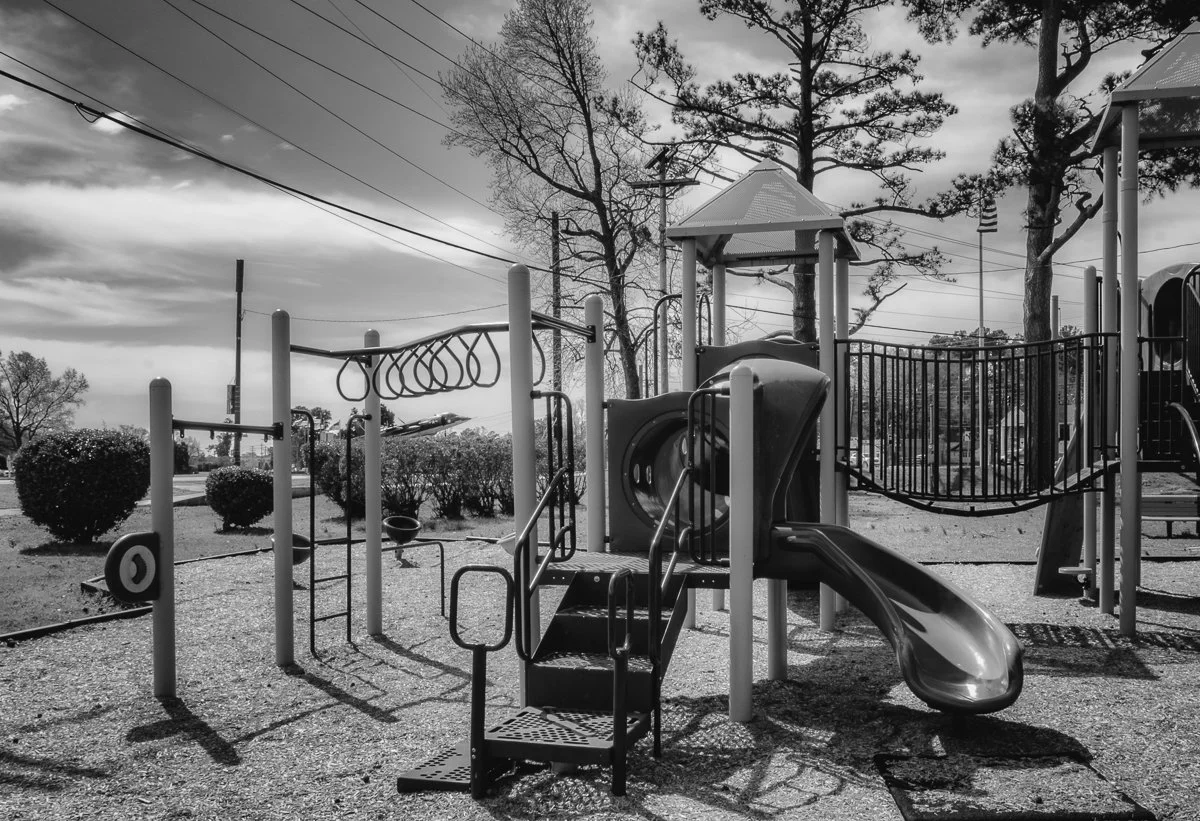
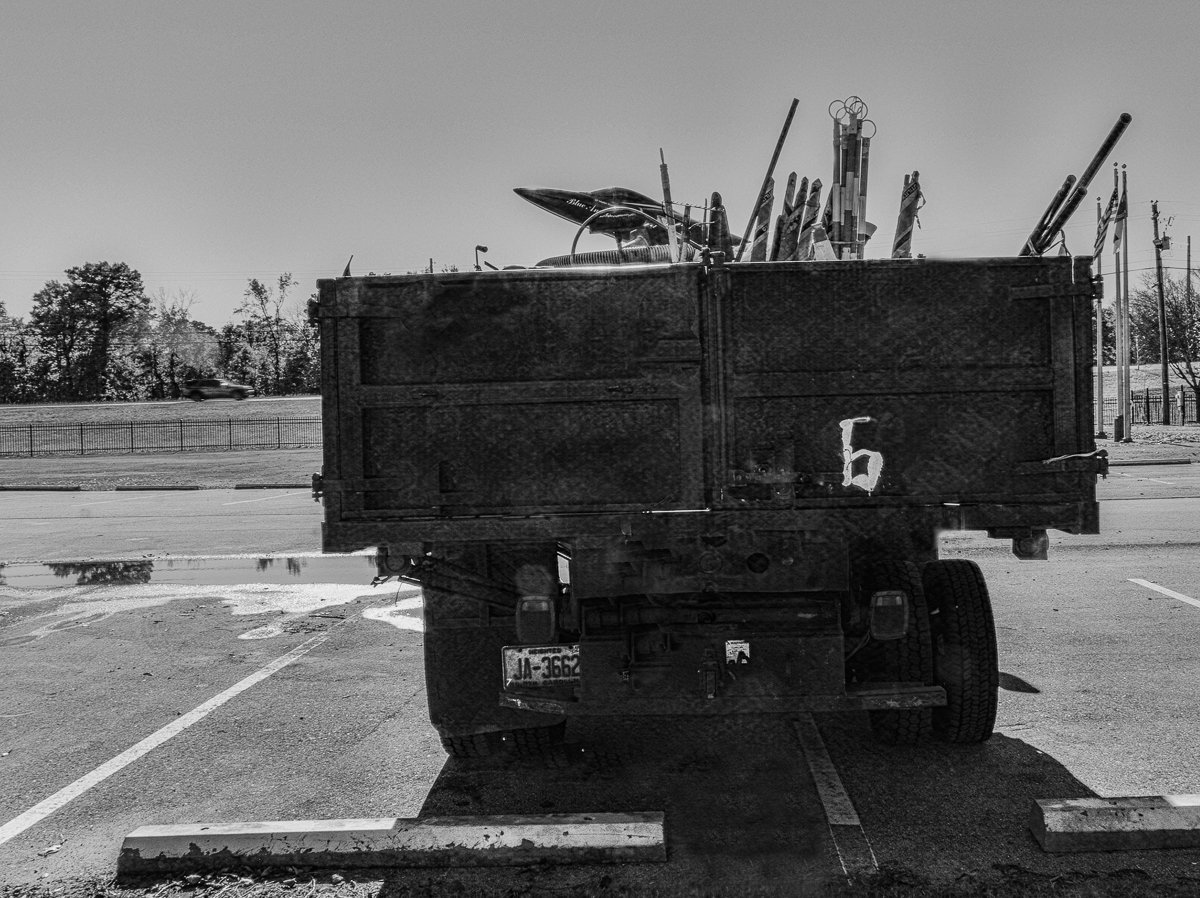
Emulating Friedlander’s compositional practices, I have produced photographs that call attention to the once-deadly weapons that sit benignly and virtually unnoticed near our homes. I hope to encourage viewers to ask what they mean. How does the physical, cultural, and political context of their display shape our responses to them? Are they advertisements for the military, historical artifacts, or mere curiosities? Do they celebrate peace or war? Do they represent security or threat?
Use the arrows next to the images to scroll through the portfolio.